


10 Natural Foods That Calm Anxiety, Lower Stress, and Reduce Cortisol Naturally
If you've been feeling wound up lately, you're far from alone. Between work deadlines, family responsibilities, and the constant buzz of notifications, your body is probably producing more cortisol than it knows what to do with. The good news? What you put on your plate can genuinely help take the edge off. This isn't about a magic pill or an expensive supplement it's about foods you can find at your regular grocery store that have real, research-backed calming effects on your nervous system.
Below, we'll walk through ten foods that support a calmer mood, steadier energy, and lower stress hormone levels, along with the specific nutrients responsible for the effect.
- Magnesium-rich foods like leafy greens and dark chocolate help regulate the nervous system and lower cortisol.
- L-theanine in green tea and chamomile promotes calm alertness without drowsiness.
- Omega-3 fatty acids from fatty fish and walnuts reduce inflammation linked to anxiety.
- Fermented foods support the gut-brain connection, which plays a bigger role in mood than most people realize.
- Small, consistent dietary habits matter more than occasional "superfoods."

1. Chamomile Tea
Chamomile has been used as a calming remedy for generations, and modern research is starting to back up what grandmothers already knew. Sipping a warm cup in the evening isn't just a cozy ritual — it can genuinely take some of the tension out of your shoulders.
Apigenin
The main compound behind chamomile's soothing reputation is apigenin, an antioxidant that binds to certain receptors in the brain associated with reducing anxiety and encouraging sleepiness. This is part of why a cup before bed tends to help people wind down rather than just hydrate.
2. Dark Chocolate (70% Cocoa or Higher)
Yes, chocolate actually earns a spot on this list, provided you're choosing the darker, less sugary kind. Dark chocolate has been shown in small studies to lower perceived stress levels over a few weeks of regular consumption.
Magnesium and Flavonoids
Cocoa is naturally rich in magnesium, a mineral that plays a direct role in regulating the body's stress response system. It also contains flavonoids that support healthy blood flow to the brain, which may explain why a small square after a rough day feels like more than just a treat.

3. Fatty Fish (Salmon, Sardines, Mackerel)
Fatty fish is one of the most consistently studied foods when it comes to mood regulation, and for good reason. People who eat it regularly tend to report lower rates of anxiety and depressive symptoms compared to those who rarely eat fish at all.
Omega-3 Fatty Acids (EPA and DHA)
EPA and DHA, the two main omega-3s found in fatty fish, help reduce inflammation in the brain and support healthy cortisol regulation. Since chronic inflammation is closely tied to persistent stress and low mood, getting enough omega-3s two to three times a week can make a noticeable difference over time.
4. Leafy Greens (Spinach, Kale, Swiss Chard)
Leafy greens rarely get the spotlight, but they're quietly one of the best foods for a steady mood. A single cup of cooked spinach provides a meaningful chunk of your daily magnesium needs.
Folate and Magnesium
Low folate levels have been linked to higher rates of anxiety and depression, and leafy greens are among the richest natural sources of it. Combined with their magnesium content, this makes them a quiet but powerful addition to a stress-reducing diet.

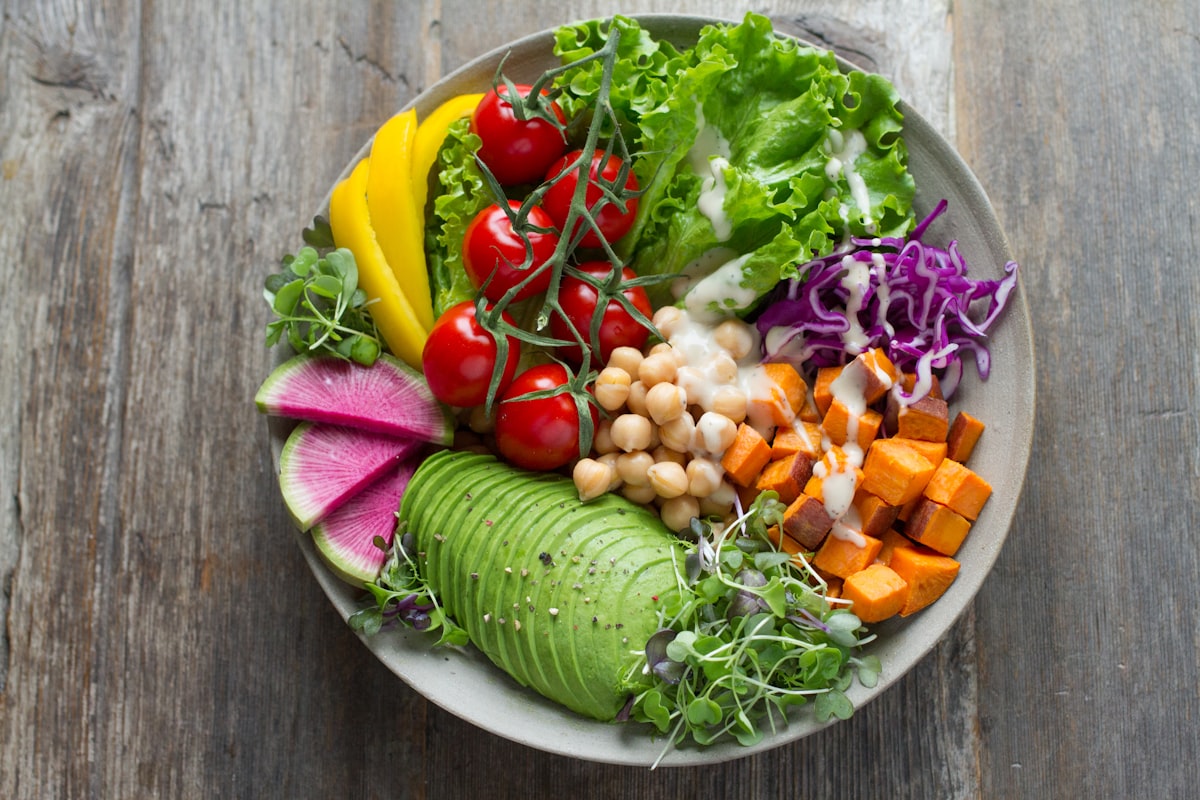
5. Avocados
Creamy, versatile, and genuinely good for your nerves avocados check a lot of boxes. They're one of the few fruits that combine healthy fats with a solid dose of B vitamins.
B Vitamins and Potassium
B vitamins, particularly B6, are involved in producing neurotransmitters like serotonin and GABA, both of which help regulate mood and promote a sense of calm. Avocados also contain potassium, which helps counter the effects of sodium and supports healthy blood pressure, something that tends to creep up during stressful periods.
6. Green Tea
If you rely on caffeine to get through the day, swapping at least one cup of coffee for green tea might be worth trying. It still gives you a gentle lift, but without the jittery crash that coffee sometimes brings.
L-Theanine
Green tea contains L-theanine, an amino acid known for promoting a state researchers describe as "calm alertness." It works alongside caffeine to smooth out the stimulating effect, so you stay focused without feeling wired or anxious.
7. Greek Yogurt and Fermented Foods
Your gut and your brain are in constant communication, and the health of your gut microbiome has more influence over your mood than most people assume. Fermented foods like Greek yogurt, kefir, and sauerkraut support this connection directly.
Probiotics and the Gut-Brain Axis
Probiotics help maintain a healthy balance of gut bacteria, which in turn influences the production of neurotransmitters like serotonin — a large percentage of which is actually made in the gut, not the brain. A daily serving of plain Greek yogurt is a simple, low-effort way to support this system.
8. Blueberries and Other Berries
Berries are small, but they pack a surprising amount of stress-fighting power. Their deep color comes from antioxidants that help protect the brain from the wear and tear caused by chronic stress.
Antioxidants (Anthocyanins)
Anthocyanins, the pigments responsible for blueberries' color, help reduce oxidative stress in brain cells and have been associated with improved mood and cognitive resilience. Tossing a handful into your breakfast is an easy habit that adds up over weeks and months.
9. Walnuts and Other Nuts
Nuts are one of the easiest snacks to keep on hand, and walnuts in particular stand out for their nutrient profile. A small handful can help take the edge off a stressful afternoon without weighing you down.
Plant-Based Omega-3s and Magnesium
Walnuts contain alpha-linolenic acid, a plant-based omega-3, along with a healthy dose of magnesium. Together, these support a calmer stress response and can help offset the mental fog that often comes with prolonged tension.
10. Oats and Whole Grains
There's a reason oatmeal feels comforting on a hard morning — it's not just in your head. Whole grains help stabilize blood sugar, and stable blood sugar is closely tied to a steadier mood throughout the day.
Complex Carbohydrates and Tryptophan
Complex carbs support serotonin production by helping tryptophan, an amino acid, cross into the brain more efficiently. Oats also provide a slow, steady release of energy, which helps prevent the mid-morning crash that often triggers irritability and anxious feelings.
Putting It All Together: A Daily Anti-Stress Routine
You don't need to overhaul your entire diet overnight. Small, consistent choices tend to work better than dramatic changes that are hard to stick with. Here's a simple checklist you can adapt to your own routine:
| Time of Day | Suggested Food or Habit |
|---|---|
| Morning | Oatmeal topped with walnuts and blueberries |
| Mid-Morning | Green tea instead of a second coffee |
| Lunch | A salad with spinach or kale, avocado, and a portion of salmon or sardines |
| Afternoon Snack | Greek yogurt with a few walnuts |
| Evening | A cup of chamomile tea, optionally with a small square of dark chocolate |
- ✅ Drink water consistently throughout the day — mild dehydration can mimic and worsen stress symptoms.
- ✅ Limit added sugar and heavily processed snacks, which can cause blood sugar swings that heighten anxious feelings.
- ✅ Try to eat meals at consistent times to help regulate cortisol rhythms.
- ✅ Pair these foods with basic habits like short walks, sunlight exposure, and regular sleep for the best results.
None of these foods are an instant fix, and that's okay. Think of them as small, steady deposits into your body's resilience account. Over a few weeks of consistent habits, many people notice they feel a bit more even-keeled, sleep a little better, and handle everyday stress with a bit more room to breathe.
What matters most is finding two or three of these foods that fit naturally into your life and sticking with them, rather than trying to add all ten at once. Sustainable change usually comes from small, repeatable habits — not a complete diet overhaul.