


10 Natural Foods That Reduce Stress, Anxiety, and Cortisol Levels
There's a particular kind of tired that has nothing to do with sleep. Your shoulders are up near your ears, your jaw is tight, and your mind keeps circling the same three problems no matter how many times you tell it to stop. If you've been living there lately, you're far from alone. Chronic stress has become almost a default setting for a lot of people, and it doesn't just live in your head it shows up in your gut, your sleep, your blood pressure, and yes, your food choices too.
Here's the part that doesn't get talked about enough: what you eat can actually influence your body's stress response. Cortisol, the hormone your body releases when it senses a threat (real or imagined, like a scary email from your boss), doesn't operate in isolation. Blood sugar swings, nutrient deficiencies, and gut health all feed into how wound up or steady you feel. That doesn't mean a smoothie will fix a genuinely hard week. But it does mean certain foods can take some of the edge off, support your nervous system, and help your body recover instead of staying stuck in high alert.
Here are ten foods worth having in your kitchen the next time life feels like a lot.
🧠 Key Takeaways
- Magnesium-rich foods like leafy greens and almonds help regulate the nervous system and are commonly low in people under chronic stress.
- Omega-3 fatty acids from fatty fish are linked to lower cortisol reactivity and reduced anxiety symptoms in several studies.
- L-theanine, found in green tea, promotes calm alertness without the jittery crash of caffeine alone.
- Blood sugar stability matters — skipping meals or relying on sugar spikes can worsen anxiety and irritability.
- This article is educational, not a replacement for therapy, medication, or medical care for anxiety or chronic stress.
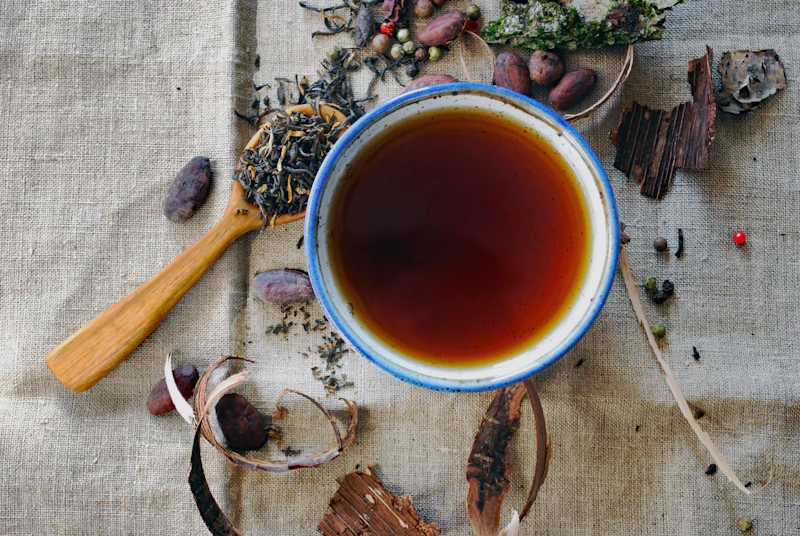
1. Chamomile Tea
If there's one drink that's basically synonymous with winding down, it's chamomile tea, and there's real science behind the reputation.
Why it works
Chamomile contains an antioxidant called apigenin, which binds to certain receptors in the brain that are also targeted by anti-anxiety medications. Several small studies have found that regular chamomile consumption is linked to reduced anxiety symptoms and better sleep quality, which in turn supports lower cortisol over time.
Active compounds: Apigenin, other flavonoids.
How to add it: Swap your evening scroll session for a cup of chamomile tea an hour before bed. It's also worth keeping a mug at your desk during a stressful afternoon instead of reaching for another coffee.
2. Dark Chocolate
Stress-eating chocolate gets a bad reputation, but the right kind, in the right amount, actually has legitimate calming properties.
Why it works
Dark chocolate (70% cocoa or higher) contains flavonoids that appear to lower cortisol and catecholamine levels in people under psychological stress. It also has a modest amount of magnesium, a mineral directly involved in regulating the body's stress response.
Active compounds: Cocoa flavonoids, magnesium, small amounts of tryptophan.
How to add it: Keep a bar of high-cocoa dark chocolate on hand and allow yourself one or two squares when things feel tense, rather than a whole bag of something sugary.

3. Leafy Greens (Spinach and Kale)
Leafy greens don't get much credit for anything beyond "healthy," but they're doing real work when it comes to calming an overactive nervous system.
Why it works
Spinach and kale are among the best dietary sources of magnesium, a mineral that plays a direct role in regulating the hypothalamic-pituitary-adrenal (HPA) axis, which is essentially your body's stress-response control center. Low magnesium levels have been associated with higher anxiety and a more exaggerated cortisol response.
Active compounds: Magnesium, folate, vitamin K.
How to add it: Wilt spinach into eggs or pasta, blend a handful into a smoothie (you genuinely won't taste it), or make kale chips for an easy snack.
4. Fatty Fish (Salmon, Sardines, Mackerel)
Fatty fish shows up on nearly every "good for you" list for a reason, and stress relief is one of its lesser-known strengths.
Why it works
Omega-3 fatty acids, specifically EPA and DHA, help regulate the release of stress hormones and reduce inflammation, which tends to run higher during periods of chronic stress. Some research has found that people with higher omega-3 intake show a blunted cortisol response to stressful situations compared to those with lower intake.
Active compounds: EPA, DHA (omega-3 fatty acids), vitamin D.
How to add it: Aim for salmon, sardines, or mackerel two or three times a week. Canned versions work just as well as fresh if you're short on time.
5. Avocados
Creamy, filling, and quietly effective at supporting a calmer nervous system.
Why it works
Avocados are rich in potassium and B vitamins, both of which support healthy nervous system function. B vitamins in particular are used up faster during periods of stress, so replenishing them through food can help prevent that "running on empty" feeling.
Active compounds: Potassium, B vitamins, monounsaturated fats.
How to add it: Mash it onto toast, slice it into a salad, or add it to a smoothie for a creamy, filling texture.
6. Walnuts and Almonds
A handful of nuts is one of the easiest, most portable stress-relief snacks out there.
Why it works
Walnuts provide plant-based omega-3s, while almonds are particularly rich in magnesium and vitamin E. Together, this combination supports both nervous system regulation and protection against the oxidative stress that builds up in the body during prolonged periods of anxiety.
Active compounds: ALA (plant omega-3), magnesium, vitamin E.
How to add it: Keep a small container at your desk for a mid-afternoon snack instead of chips or a candy bar.

7. Blueberries
Small, sweet, and surprisingly useful when your body is under strain.
Why it works
Blueberries are loaded with antioxidants that help combat the oxidative stress associated with chronically high cortisol. Some research also suggests flavonoid-rich fruits like blueberries may support a more regulated cortisol response over time.
Active compounds: Anthocyanins, vitamin C.
How to add it: Add a handful to oatmeal, yogurt, or just eat them plain as a snack that satisfies a sweet craving without the sugar crash.
8. Turmeric
This warm, earthy spice does more than flavor a curry.
Why it works
Curcumin, the active compound in turmeric, has anti-inflammatory properties that may help buffer the physical toll of chronic stress on the body. Some early research also points to potential mood-supporting effects, particularly when paired with black pepper to improve absorption.
Active compounds: Curcumin.
How to add it: Stir it into soups, curries, or scrambled eggs, or make a warm turmeric latte with milk and a pinch of black pepper.
9. Oats
A simple bowl of oats is more stabilizing than most people give it credit for.
Why it works
Oats are a slow-digesting complex carbohydrate, which means they release glucose gradually rather than spiking and crashing blood sugar. Stable blood sugar is closely tied to steadier mood and lower anxiety, since sharp blood sugar drops can mimic or worsen feelings of panic and irritability.
Active compounds: Beta-glucan fiber, B vitamins.
How to add it: Start your morning with a bowl of oatmeal topped with fruit and nuts instead of a sugary cereal or pastry.
10. Green Tea
If you need something to sip when you're wired but also exhausted, green tea earns its spot here.
Why it works
Green tea contains L-theanine, an amino acid shown to promote a calm, alert state by increasing alpha brain wave activity, the same pattern associated with relaxed wakefulness. Combined with its modest caffeine content, green tea tends to produce steadier focus without the anxious edge that straight coffee can bring on.
Active compounds: L-theanine, catechins, modest caffeine.
How to add it: Replace your second or third coffee of the day with a cup of green tea, especially during a stressful afternoon stretch.
Building a Calmer Daily Routine
None of these foods work like a switch you flip. What tends to actually help is consistency: steady blood sugar throughout the day, regular meals instead of skipped ones, and a few stress-supportive foods woven into your normal routine rather than saved for emergencies.
- Morning: Oatmeal with blueberries and a spoonful of walnuts.
- Midday: A salad with spinach, avocado, and grilled salmon.
- Afternoon: A cup of green tea and a small square of dark chocolate instead of a sugary vending machine snack.
- Evening: A turmeric-spiced meal, followed by chamomile tea an hour before bed.
Pick two or three of these that genuinely sound appealing to you and start there. A stress-relief diet you actually enjoy is the only kind that sticks.
Final Thoughts
Stress isn't something you can eat your way out of entirely, and it's worth being honest about that. But your nervous system doesn't operate independently of your body, and steady, nutrient-dense food gives it more to work with. Small, repeatable changes to what's on your plate can genuinely take the edge off a hard week, even if they're not the whole solution.
Health & Medical Disclaimer
This article is provided for general informational and educational purposes only and does not constitute medical advice. It is not intended to diagnose, treat, cure, or prevent anxiety, chronic stress, or any other health condition. The foods and nutrients discussed here should not replace guidance from a qualified physician, registered dietitian, therapist, or other licensed healthcare provider. If you are experiencing persistent anxiety, chronic stress, or symptoms that interfere with daily life, please consult a healthcare professional. Individual nutritional needs vary based on age, existing health conditions, allergies, and medications. SUH Info and its authors are not liable for any actions taken based on the information provided in this article.